

Last Updated on October 24, 2025 by The Official Game Rules Team
Bingo is more than just a casual pastime—it’s a classic game that has taken many forms and found homes in classrooms, parties, retirement communities, and even online gatherings.
Whether you’re hosting a themed game night, looking to entertain a group, or teaching kids through play, this guide will walk you through everything from basic setup and patterns to unique twists and winning strategies. Ready to start? Get your bingo cards in hand—let’s dive into how it all works.

This post contains affiliate links. For more information, see our disclosures here.
How to Play Bingo
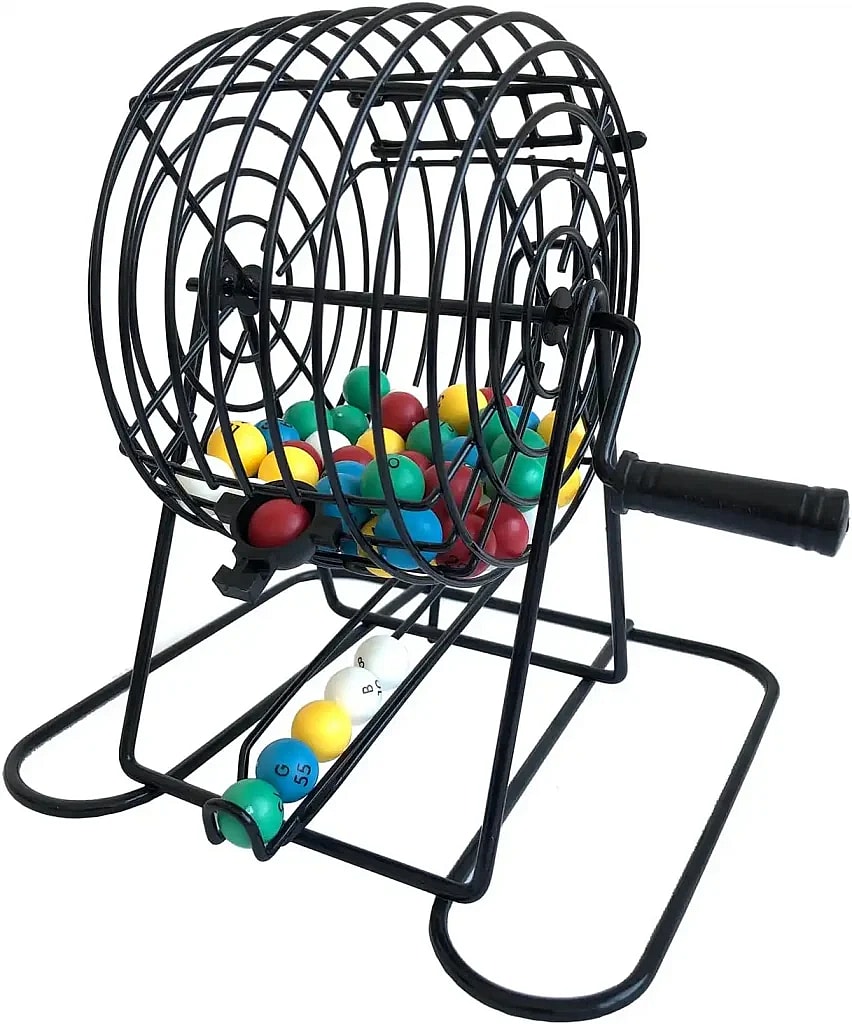
1. Gather Your Bingo Essentials
Before the first number is called, make sure you’ve got all the tools:
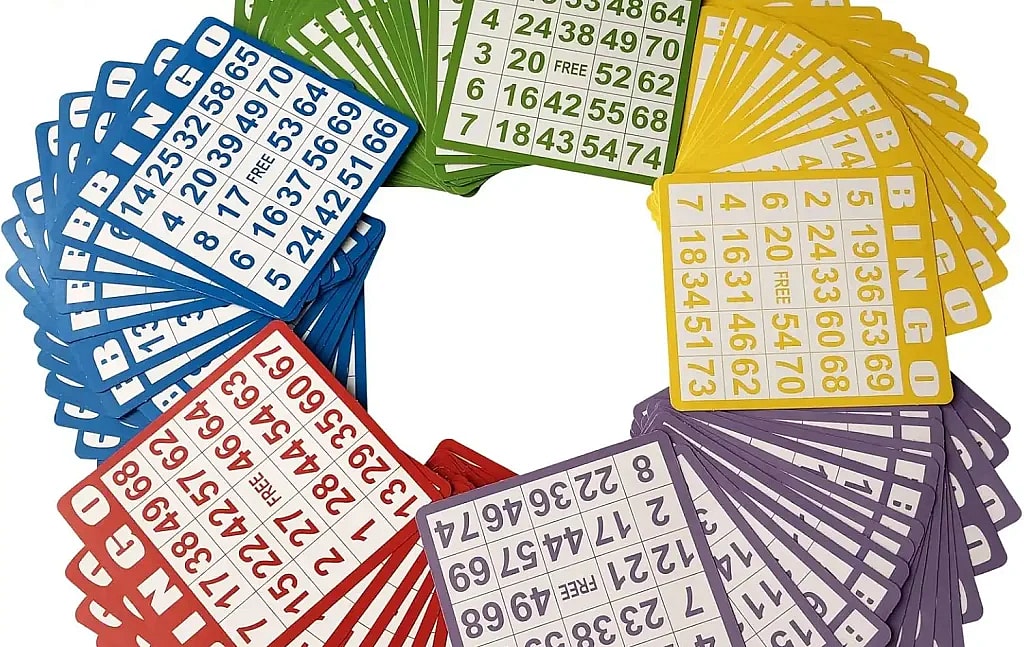
- Bingo Cards: Each player needs a card with a grid (typically 3×3, 4×4, 5×5, or 9×3) filled with numbers. Number ranges vary depending on the version you’re playing (like 1–30, 1–75, or 1–90). Want to switch it up? Use cards with pictures, emojis, or themed words instead—custom bingo generators can help create these.
- Markers: Also known as chips or daubers, these are used to cover called numbers.
- Number Caller: This can be a person calling out random combinations (like B-12 or N-44) or a digital tool that generates numbers for you.
2. Setting Up Your Game
Setting up bingo is easy and quick:
- Hand out cards and markers to each player.
- Choose a caller, or set up your number generator.
- If you’re using a 75-ball card, mark the center space as “free.”
- Make sure everyone understands the win condition for the round (line, full house, special pattern, etc.).
3. Let the Game Begin
Here’s how a round unfolds:
- The caller announces a number.
- Players check their cards and cover the number if it’s present.
- The first player to complete the required pattern shouts “Bingo!” and claims victory.
- Double winners? That’s okay—more than one person can win if they finish the same round at the same time.

4. Popular Bingo Patterns to Try
Spice things up by playing for more than just a straight line. Try these pattern variations:
- Full House: Mark the entire card.
- Four Corners: Just cover the outermost corners.
- Postage Stamp: Cover any 2×2 square.
- Diamond: Mark a diamond-shaped layout.
- Letter Patterns: Form letters like “X,” “T,” or “L” with your marked numbers.
5. Explore Different Bingo Versions
Not all bingo games are created equal! Here are some major versions:
- 75-Ball Bingo: Played on a 5×5 card with a free center. Popular in the U.S.
- 90-Ball Bingo: Common in the UK. Played on cards with three rows and nine columns.
- 80-Ball Bingo: Uses a 4×4 grid and is popular in online games.
- 30-Ball Bingo: A fast-paced version with 3×3 cards—great for quick rounds.
- Death Bingo: The twist? If you get Bingo, you’re out!
- Quickie & Shotgun Bingo: High-speed versions where numbers are called rapidly.
6. Strategies to Boost Your Chances
Bingo is mainly about luck, but some players like to add a bit of method to the madness:
- Play More Cards: More cards, more chances—but be quick!
- Granville’s Theory: Choose cards with a balance of odd/even and high/low numbers.
- Tippett’s Theory: Early game? Favor cards with extremes. Late game? Go for numbers near the middle.
- Lucky Charms: Some players swear by their favorite dauber or lucky seat.
These tricks aren’t guaranteed to win, but they do add more fun and engagement to each round.
7. Bingo for Kids: Learning Through Play
Bingo is perfect for young learners, too! Adapt it to help with:
- Alphabet Bingo: Match letters to sounds.
- Math Bingo: Match math problems to their answers.
- Animal Bingo: Combine images with learning animal names and sounds.
- Sight Word Bingo: Practice reading and word recognition.
- Language Bingo: Great for learning vocabulary in a new language.
Use custom bingo card tools to create templates tailored to your child’s grade level and interests.
FAQ – Bingo Rules
Bingo can be played by any number of players, from a small group at home to hundreds in large halls or online.
The goal is to be the first to complete a winning pattern on your card, such as a row, column, diagonal, or a full card (depending on the game variation).
Players mark numbers on their cards as they are called out randomly. When a player completes the winning pattern, they shout “Bingo!” to claim the prize.
Straight line: Horizontal, vertical, or diagonal row. Four corners: Marking all four corners of the card. Full house: Covering all numbers on the card.
Yes. If multiple players complete the pattern at the same time, the prize is shared or awarded according to the rules set by the game organizer.
Yes. Popular variations include 75-ball Bingo (commonly used in the US), 90-ball Bingo (UK and Australia), and themed or online Bingo games.
Bingo cards have a grid of numbers. In 75-ball Bingo, it’s a 5×5 grid with the center square usually marked “Free.” In 90-ball Bingo, the card has 9 columns and 3 rows, with 15 numbers per card.
Absolutely! Bingo is easy to learn and suitable for all ages, making it a great family-friendly game.
Conclusion
Bingo is a simple yet exciting game that brings players together, whether at home, in a hall, or online. By understanding the rules, recognizing winning patterns, and keeping track of called numbers, anyone can enjoy the thrill of shouting “Bingo!” first. With its mix of luck, anticipation, and social fun, Bingo remains a timeless game for players of all ages and experience levels.
Browse Related Games!
 Official Casting Shadows Rules
 Official Twenty-Nine Rules
 Official Coup Rules
 Official The Fox in The Forest Rules
 Official Command of Nature Rules
Official Panguingue (Pan) Rules
Official Command of Nature Rules
Official Panguingue (Pan) Rules
 Official 2-7 Triple Draw Poker Rules
 Official Paco Rules
 Official Five Crowns Rules
 Official Canasta Rules
 Official Beggar My Neighbor Rules
 Official Risky Couples Rules