

Last Updated on January 22, 2026 by The Official Game Rules Team
Baseball is a team sport that combines skill, strategy, and athleticism. Played between two teams of nine players, the game is typically divided into two halves, with one team playing defense and the other offense. The objective is to score runs by hitting a pitched ball and running around a series of four bases arranged in a diamond shape. The team with the most runs at the end of nine innings wins the game. Below are the detailed rules of baseball, along with how to play the game and the strategies involved.

This post contains affiliate links. For more information, see our disclosures here.
How to Play Baseball
Objective
The goal of baseball is to score more runs than the opposing team. A run is scored when a player successfully runs around the four bases (first base, second base, third base, and home plate) after hitting the ball.
The Field
- Teams: Baseball is played between two teams, each consisting of nine players. One team plays defense while the other bats.
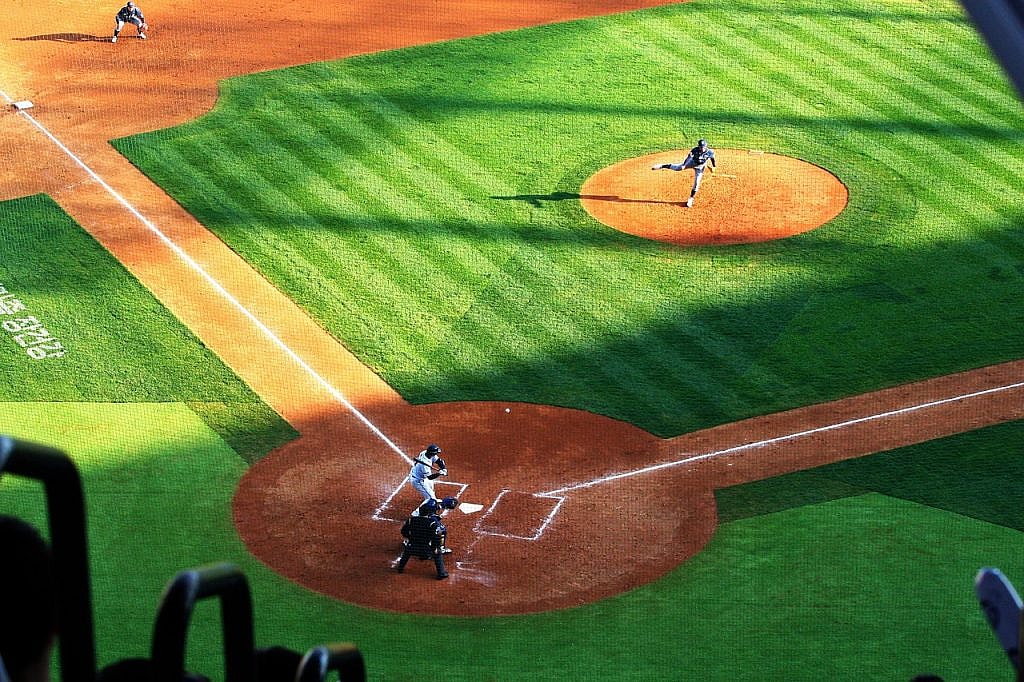
- Field: The game is played on a diamond-shaped field, consisting of an infield and an outfield. The bases are arranged in a square, with each base 90 feet apart.
- Equipment: The basic equipment includes a bat, a ball, gloves, and helmets for the batters. The pitcher uses a rubber mound located at the center of the diamond.
Gameplay
1. The Inning Structure:
A baseball game consists of nine innings, and each inning is divided into two halves:
- Top half (Offense): The visiting team bats first.
- Bottom half (Defense): The home team bats second.
Each inning consists of the following phases:
- Offense: The batting team tries to score runs by hitting the ball and running the bases.
- Defense: The defensive team aims to get the batting players out by catching the ball, throwing it to the appropriate base, or striking out the batter.
Batting
- Pitching: The pitcher throws the ball from the pitcher’s mound to the batter. The ball must pass through the strike zone (an area over home plate between the batter’s knees and midsection).
- Strikes and Balls:
- Strike: A pitch that the batter swings at and misses or does not swing at but the umpire calls it within the strike zone.
- Ball: A pitch outside the strike zone that the batter does not swing at.
- Foul Ball: A ball hit outside the field of play (except on the third strike).
- Hits: When the batter hits the ball with the bat, they attempt to reach first base. If they successfully reach first base without being tagged or forced out, it is called a single. Hitting the ball far enough to reach second, third, or home plate gives rise to doubles, triples, or home runs, respectively.
- Walking and Striking Out:
- Walk: If the batter receives four balls, they are allowed to walk to first base.
- Strikeout: If the batter accumulates three strikes, they are out.

Fielding and Defense
The defensive team consists of nine players:
- Pitcher: Throws the ball to the batter from the pitcher’s mound.
- Catcher: Receives the pitch behind home plate.
- Infielders: Includes the first baseman, second baseman, shortstop, and third baseman. They play near the bases and try to field the ball and make plays.
- Outfielders: Includes left fielder, center fielder, and right fielder. They cover the outfield and catch fly balls.
The defensive team works to get batters out in a variety of ways:
- Strikeouts: By throwing three strikes to a batter.
- Force Outs: When a batter is forced to run to a base and the fielder catches the ball before the batter arrives.
- Tag Outs: When a fielder tags the batter or base runner with the ball while they are not on the base.
Running the Bases
- After a batter hits the ball, they must run to first base and then around the bases in order: first, second, third, and home. Each time a player reaches home plate, they score a run.
- Stealing: A runner can attempt to steal a base by running to the next base while the pitcher is throwing the ball to the batter.
- Tagging Up: If a batter hits a fly ball, they must tag the base they were on before running to the next base once the ball is caught.

Outs
A team is allowed three outs in each half inning. Outs can be made in several ways:
- A batter can be struck out.
- A batter can be caught in a flyout.
- A runner can be forced out at a base.
- A runner can be tagged out by a fielder.
Scoring a Run
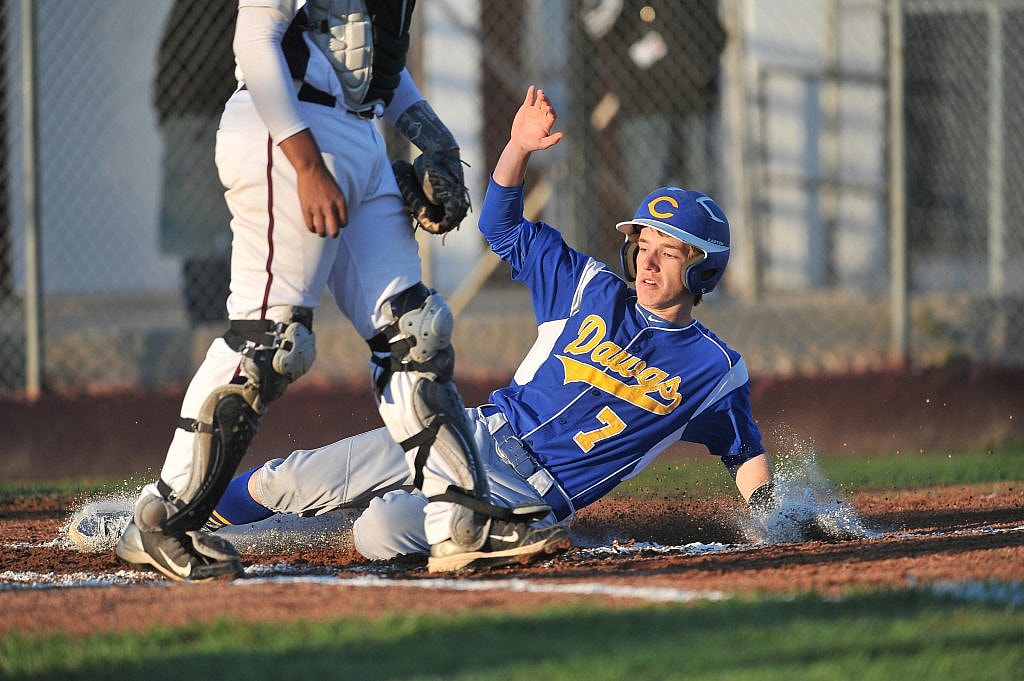
To score a run, a player must successfully advance through all the bases, starting at first base and ending at home plate. They must touch each base in order while avoiding being tagged or forced out.
Tips to Improve in Baseball
- Master Situational Hitting: Don’t just swing for power—learn to hit to the opposite field, advance runners, or execute a sacrifice fly depending on the game situation. This makes you a smarter, more reliable batter.
- Pitch Recognition: Train your eyes to distinguish pitch types early. Spotting a curveball, slider, or change-up sooner gives you an edge in timing your swing.
- Mental Game Matters: Baseball is as much mental as physical. Study opposing pitchers, anticipate their patterns, and stay focused during long innings to maintain peak performance.
- Dynamic Fielding: Practice reacting to unpredictable bounces and fast line drives. Work on lateral movement, diving catches, and quick throws to cut down runners.
- Aggressive Base Running: Go beyond stealing bases. Learn to read the pitcher’s habits, time your leads, and execute hit-and-run strategies to put pressure on the defense.
- Pitching Strategy: Mix speeds, locations, and pitch types to keep hitters off balance. Learn to “paint the corners” and change eye levels to increase strikeouts.
- Team Communication: Use verbal cues, hand signals, and positioning awareness to coordinate with teammates. Strong communication reduces errors and maximizes defensive efficiency.
- Track Analytics: Even at a casual level, track your batting averages, pitch counts, and fielding stats. Small adjustments based on data can dramatically improve performance.
Baseball FAQ
Each team has nine players on the field during defensive play.
A standard game has nine innings, but amateur games may be shorter.
A strike is a pitch a batter swings at and misses, or fails to swing at a pitch in the strike zone. A ball is a pitch outside the strike zone that the batter does not swing at.
A home run occurs when the batter hits the ball out of the field of play in fair territory, scoring themselves and any runners on base. A run is scored when a player safely reaches home plate from any base.
Yes, base runners can attempt to steal bases while the pitcher is delivering the ball to the plate, following standard baseball rules.

Conclusion
Baseball is a game of strategy, skill, and athleticism. The rules may seem complex at first, but the game becomes easier to understand with practice. Whether you are playing or spectating, baseball offers a rich, exciting experience. From hitting home runs to executing the perfect double play, there is no shortage of thrilling moments in this timeless sport. With its intricate balance of offense, defense, and strategy, baseball has earned its place as America’s pastime and continues to captivate millions worldwide.
Browse Related Games!
 Official Disc Golf (Frisbee Golf) Rules
 Official Three-Legged Race Rules
 Official Beach Volleyball Rules
 Official Pinata Rules
 Official Slammo Rules
 Official Ping Pong Rules
 Official Tennis Rules
 Official Egg and Spoon Race Rules
 Official Bocce Ball Rules
 Official Sorry! Giant Edition Rules
 Official Simon Says Rules
Official Volleyball Rules
Official Simon Says Rules
Official Volleyball Rules