

Last Updated on October 11, 2025 by The Official Game Rules Team
Hearts is a classic trick-taking card game that combines skill, careful planning, and a little bit of luck. Mastering hearts strategy is the key to avoiding points, shooting the moon, and consistently outperforming your opponents. In this guide, we’ll cover essential tips, advanced strategies, a visual scoring chart, and more to help you become a formidable Hearts player.

Understanding the Basics of Hearts
Before diving into strategy, it’s crucial to understand the core rules and objectives of the game.
- Players: Standard Hearts is played with 4 players. Variants exist for 3 or 5 players.
- Deck: A standard 52-card deck. Cards rank from Ace (high) to 2 (low).
- Objective: Avoid taking points. Hearts are worth 1 point each, and the Queen of Spades is worth 13 points. The game ends when a player reaches a set score, usually 100. The player with the lowest score wins.
- Tricks: Players must follow suit if possible. If they can’t, they may play a card from another suit. Hearts cannot be led until broken (a heart has been played in a previous trick).
Hearts Scoring Chart
Here’s a simple visual reference to help track points:
| Card | Points |
|---|---|
| Each Heart | 1 |
| Queen of Spades | 13 |
| Other Cards | 0 |
Shooting the Moon: If you capture all hearts and the Queen of Spades, you score 0, and every other player scores 26 points.
Beginner Hearts Strategy Tips
Even if you’re new to Hearts, these foundational strategies will help you survive and gradually win:
- Avoid Taking the First Trick with High Cards
The first trick is often led with the 2 of Clubs. Avoid playing high cards that could accidentally earn points. - Pass Wisely
At the start of each hand, you have the chance to pass three cards. Typically, you want to pass high hearts and the Queen of Spades. Some players also pass low cards to manipulate opponents’ play. - Keep Low Cards for Survival
Maintaining low cards in multiple suits allows you to follow suit safely, avoid winning unwanted tricks, and stay flexible. - Observe Opponents’ Behavior
Note who avoids hearts, who tends to take tricks early, and who might hold the Queen of Spades. Anticipating their actions is key to planning your plays. - Break Hearts Carefully
Only play hearts when necessary or to control the flow. Prematurely breaking hearts can give your opponents opportunities to dump points on you.

Intermediate Hearts Strategy Techniques
Once you’re familiar with basic play, these strategies elevate your game:
- Void a Suit Early
Discarding all cards of a specific suit early gives you the ability to offload high-point cards later when that suit is led. - Control the Lead
The player who leads a trick often controls the round’s flow. Leading suits in which opponents are weak can force them to take points. - Card Counting
Track which high cards, particularly the Queen of Spades, have already been played. This allows you to predict tricks and avoid points. - Endgame Management
Towards the last few tricks, plan your plays to avoid taking hearts or the Queen of Spades. Timing is crucial, especially if you’ve already taken some points earlier in the round.
Advanced Hearts Strategy
Experienced players can leverage these advanced tactics to dominate:
- Shooting the Moon
Attempting to capture all hearts and the Queen of Spades can completely shift the score in your favor. Look for these opportunities when you hold multiple high hearts, the Queen of Spades, and have control of other suits. - Strategic Passing
Pass cards not just to protect yourself, but to force your opponents into risky positions. For example, passing a high card to someone who is likely to lead that suit later can set them up to take points. - Leading from Weakness
Occasionally, intentionally leading with low cards in a suit where you are weak can bait opponents into taking points early. - Tracking Player Tendencies
Identify aggressive vs. conservative players. Adjust your strategy based on who is likely to dump hearts early or who may attempt shooting the moon. - Endgame “Sandbagging”
In the last few tricks, sometimes it’s beneficial to intentionally take a small number of points to avoid being forced into a high-point trick later.
Practical Tips for Consistent Wins
- Avoid rushing to win a trick unless it serves your long-term plan.
- Keep mental notes of which suits opponents are void in.
- Use passing rounds to not only protect yourself but manipulate the game.
- Balance risk and reward: sometimes taking a small number of points now avoids disaster later.
- Communicate non-verbally through gameplay patterns (e.g., leading a suit multiple times can signal strength).
Example Advanced Play Scenario
Imagine you hold the following cards:
- Hearts: 10, Jack, King
- Queen of Spades
- Clubs: 2, 4, 5
- Diamonds: 3, 7, Ace
- Spades: 2, 5
You may attempt to shoot the moon if you can control the first few tricks, void your low suits early, and bait opponents into taking low-value tricks. Passing the Queen of Spades to a player who is likely to lead Spades can also reduce your risk.
Hearts FAQ
The standard game is for 4 players, but variations exist for 3 or 5.
At the start of every hand (except the fourth), each player engages in card passing, giving three cards to an opponent as determined by the round rotation (Left, Right, Across, No Pass). This is crucial for getting rid of penalty cards.
The player holding the Ace of Clubs leads the first trick of the game.
Capturing all hearts and the Queen of Spades in a single round. You score 0, and all opponents score 26 points.
No, you generally cannot play a Heart in the second trick or any trick until Hearts have been “broken.” Hearts are considered broken after a player has discarded a Heart when unable to follow the lead suit, or after the Queen of Spades has been played.
Each Heart card is worth one penalty point, and the Queen of Spades is worth 13 penalty points. You add up the total value of all penalty points you collected during the hand.
No, you may not lead suit with a Heart until the first heart has been played in a previous trick, officially “breaking” the suit. An exception is if your hand consists only of Heart cards.
A low hearts hand refers to a round where a player is attempting a perfect “Shooting the Moon” maneuver, trying to take all the penalty points from the hand to assign a massive 26-point penalty to everyone else, or zero points to themselves.
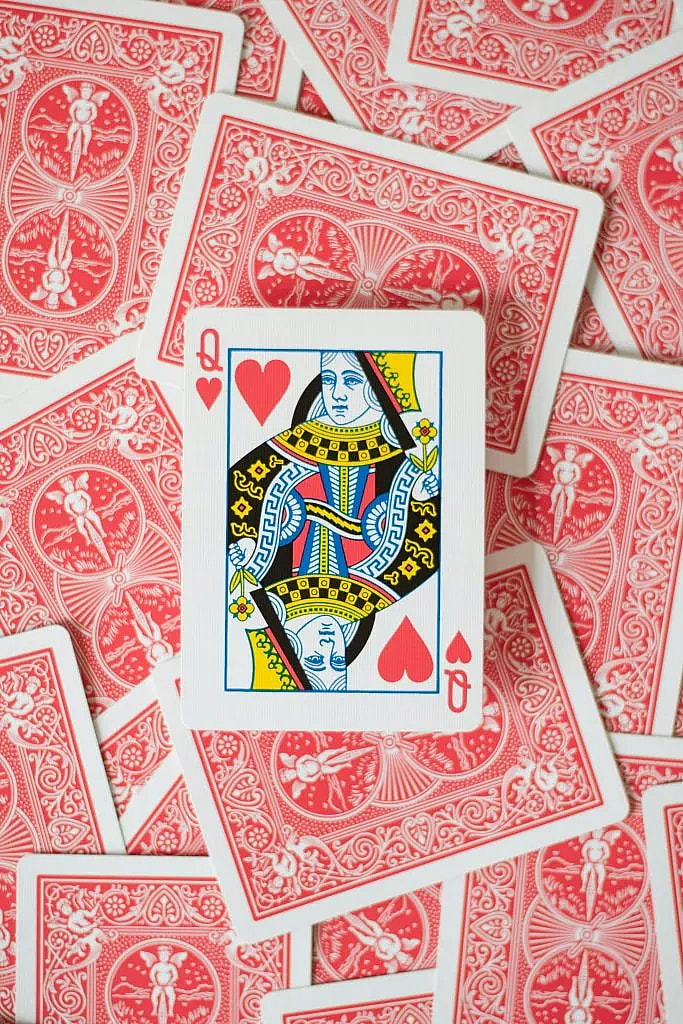
Final Thoughts
Winning at Hearts is about patience, observation, and strategic play. By mastering hearts strategy, from basic tips to advanced techniques like shooting the moon, voiding suits, and controlling the lead, you can consistently outmaneuver your opponents. Track the flow of the game, adjust your strategy dynamically, and don’t be afraid to take calculated risks.
You may also like
 Gin Rummy Strategy: Expert Tips to Win Every Game
 Canasta Strategy: Tips, Advanced Techniques, and Winning Strategies
 The 10 Games AI Thinks You Should Try Next
 How to Win Trumps Card Game: Advanced Strategies and Tips
 How to Setup Your Nex Playground (Useful Tips)
 25 Awesome Easter Games for Adults (Yes, Some Involve Alcohol!)